Damp, mould and condensation can have a serious impact on your home, health and wellbeing. That’s why we take a proactive approach to managing and preventing these issues.
We do this through a mix of repairs, planned improvements and heating upgrades, and by providing advice on how to manage and prevent damp, mould and condensation.

Tell us about damp or mould in your home
Please contact the Customer Care team as soon as possible, and let us know:
- what signs you've spotted
- where the damp is
- what you think has caused the damp.
If possible, please send us photos of the problem.
What we’ll do if you report damp or mould
If you report a damp or mould concern, we’ll ask for detail to make sure we fully understand the situation and to pinpoint the possible cause.
We will usually ask you to send photos of the problem.
We’ll review the information you send us within 24 hours, and our surveyor will make an appointment to visit your home within five working days.
The surveyor will carry out a survey of your home. They will need access to every room.
We will contact you within three working days of the surveyor's visit to provide an update and confirm any work that needs doing.
We will contact you to check you're happy with the work carried out.
The surveyor will also contact you three months after the work has finished.

Awaab's Law
A new legislation, making homes safer and healthier for millions of social housing residents
Find out moreAbout damp, mould and condensation
Damp is a build-up of moisture in your home.
It affects building elements such as walls, floors and ceilings, as well as home furnishings and belongings - such as carpets, curtains, wallpaper, furniture and clothes.
If damp is present in a building, it can also lead to the growth of mould and other microorganisms.
Moisture can be caused by property condition, leaks or many other factors. One of the main causes is condensation.
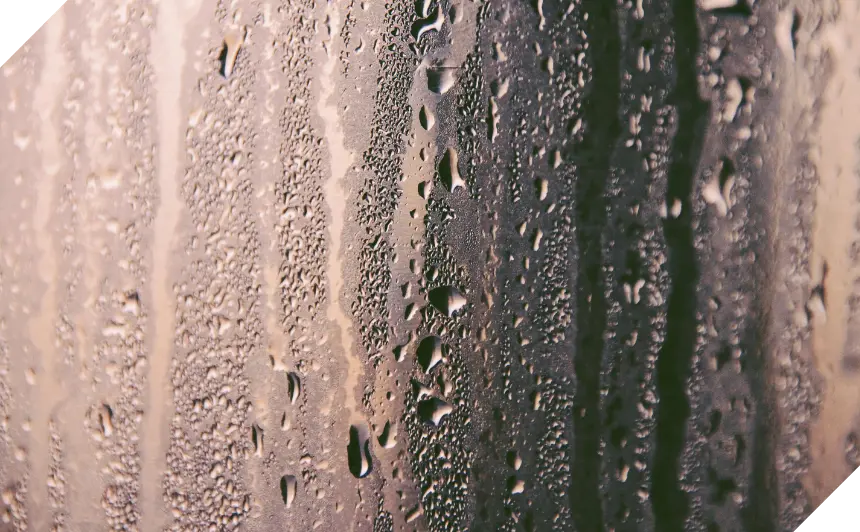
Condensation happens when warm, moist air meets a cold surface and turns into water droplets.
You’ll often see it on windows, mirrors, and even walls—especially during colder weather.
Everyday activities that release moisture include:
- cooking
- washing, bathing and showering
- drying clothes indoors
- breathing - we all produce moisture.
Without good airflow, this moisture can build up and cause condensation.
While a little condensation is normal, too much can lead to problems in your home, like:
- damp patches
- mould growth
- musty smells
- damage to paint, plaster and wallpaper.
It’s important to manage condensation to protect your home and health.
Here are some simple tips to reduce condensation.
Ventilate your home:
- open windows
- use extractor fans
- keep trickle vents open (if you have them)
- don’t block air bricks or vents.
Keep your home warm:
- consistent heating can help keep surfaces warm and reduce condensation.
Dry clothes outside if possible:
- if you have to dry them inside, use a well-ventilated room, keep the door closed and don’t dry laundry on radiators.
Wipe down surfaces:
- if you see water on windows or walls, wipe it away to prevent mould.
In the kitchen:
- use lids on pans and pots when cooking
- use the extractor fan if you have one
- keep the kitchen door closed to stop moisture escaping
- don’t use your gas cooker to heat the room.

Other causes of damp
Damp can also be caused by water finding its way in from outside.
This could be through:
- badly fitting or broken windows or doors
- broken or loose roof tiles or slates
- leaking pipes
- broken/leaking/blocked gutters or rainwater pipes
- rotten fascia boards, soffits, or barge boards
- breached damp proof courses
- damaged render, pointing, brickwork or chimney breasts.
If your home has any of these issues – please let us know as soon as possible.